


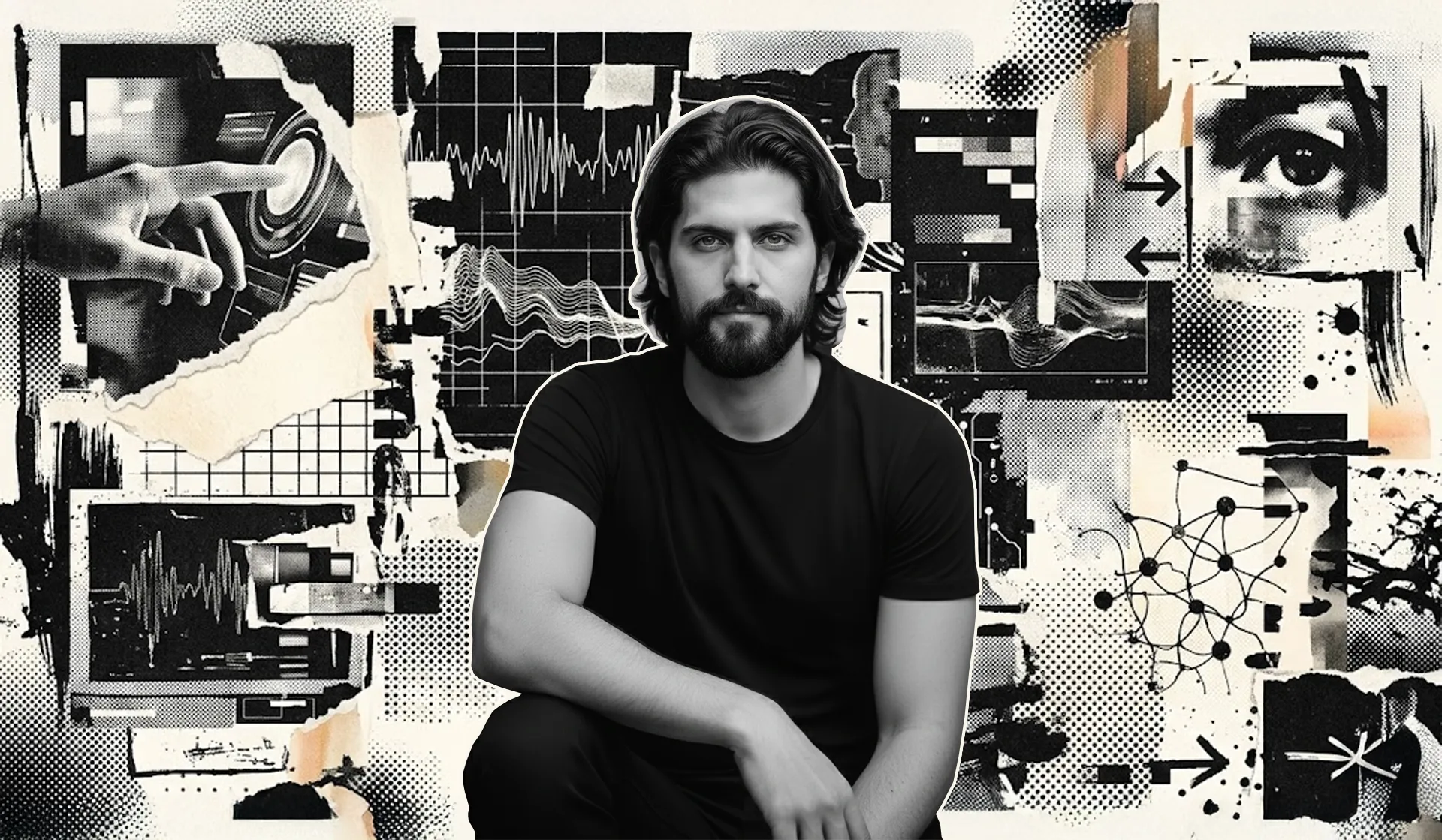
Design is no longer just about aesthetics-it is the language through which brands speak, the framework that shapes human behavior, and the subtle architecture that orchestrates experience. At the intersection of psychology, creativity, and technology, modern design-particularly UI/UX-is evolving faster than ever, propelled by the dual forces of human insight and artificial intelligence.
Every interface tells a story. Every interaction carries intention. As designers, our task is not merely to make things look good, but to engineer clarity, guide attention, and create a sense of flow that feels natural, even inevitable. Human psychology is at the core of this. We respond instinctively to visual hierarchy, color, typography, and motion-not because they are arbitrary, but because they resonate with our cognitive wiring. A button that draws the eye, a form that feels intuitive, a navigation system that disappears into familiarity-all these are subtle dialogues between the designer and the user’s mind.
Yet, designing in today’s world is far from simple. The challenges are multidimensional. User expectations are higher, attention spans shorter, and the pressure to balance brand identity with functionality more intense. In addition, AI has begun to reshape the landscape-providing unprecedented tools for rapid prototyping, predictive behavior analysis, and even generative interfaces. The question for designers is not whether AI will change our work, but how we integrate it without losing the human touch that makes design meaningful.
Philosophically, design is about synthesis. It is the reconciliation of form and function, intuition and data, simplicity and sophistication. A well-designed interface does not announce itself; it disappears into the user experience, leaving only clarity and purpose. It is a paradox: the most powerful design is often invisible, yet it leaves a lasting impression. Designers are architects of perception, engineers of trust, and custodians of narrative-all within the seemingly limited boundaries of a screen or a product.
Looking ahead, the future of UI/UX in an AI-driven era demands both rigor and imagination. Designers must become interpreters of complex systems, blending human-centric insights with algorithmic intelligence. Success will come to those who can preserve empathy, anticipate behavior, and create frameworks that are adaptable yet coherent. The tools may change, but the essence of design remains timeless: to make complexity feel effortless, to transform intention into experience, and to elevate the ordinary into something meaningful.
In the end, design is a mirror of our culture, our values, and our aspirations. It is an ongoing conversation between the world and the people who inhabit it. As we stand on the cusp of new technologies, the responsibility-and the opportunity-of designers has never been greater: to create clarity in a noisy world, to craft experiences that resonate, and to engineer growth that is deliberate, not accidental.